In February 2026, Sprout Agritech led an international delegation of New Zealand founders, researchers, and innovators to Hyderabad, Telangana, India - one of Asia’s fastest-growing hubs for biotechnology, agrifood, animal (and human) health and life sciences.
Over five days, our delegation explored the intersections of agrifoodtech, animal health, biotechnology, and biomanufacturing. We attended BioAsia 2026, toured Genome Valley, ICRISAT, IIL, and met with researchers, entrepreneurs, and policymakers shaping the future of the global bioeconomy.
What became clear during the visit is that the global agrifood and biotechnology ecosystems are entering a new phase - one defined not only by scientific breakthroughs, but by collaboration across borders.
Why India - and Why Now
India’s biotechnology and biomanufacturing sectors have grown rapidly over the past decade, with Hyderabad emerging as a major hub for life sciences innovation. The region hosts a thriving ecosystem of biotech startups, research institutes, vaccine manufacturers, and global companies working across pharmaceuticals, agriculture, animal health and food technology.
Our goal with the Sprout India Delegation was to connect New Zealand’s agrifood community with this ecosystem and explore opportunities for collaboration.
The week’s programme included participation in BioAsia 2026, one of Asia’s leading life sciences conferences, as well as visits to key organisations in the region. Delegates also took part in curated meetings and discussions focused on animal health, biotechnology, biomanufacturing, precision agriculture, and digital health.
Inside Genome Valley
A highlight of the delegation was our visit to Genome Valley, India’s largest life sciences cluster - a premier 2,000-acre, high-technology biotechnology business district in Hyderabad.
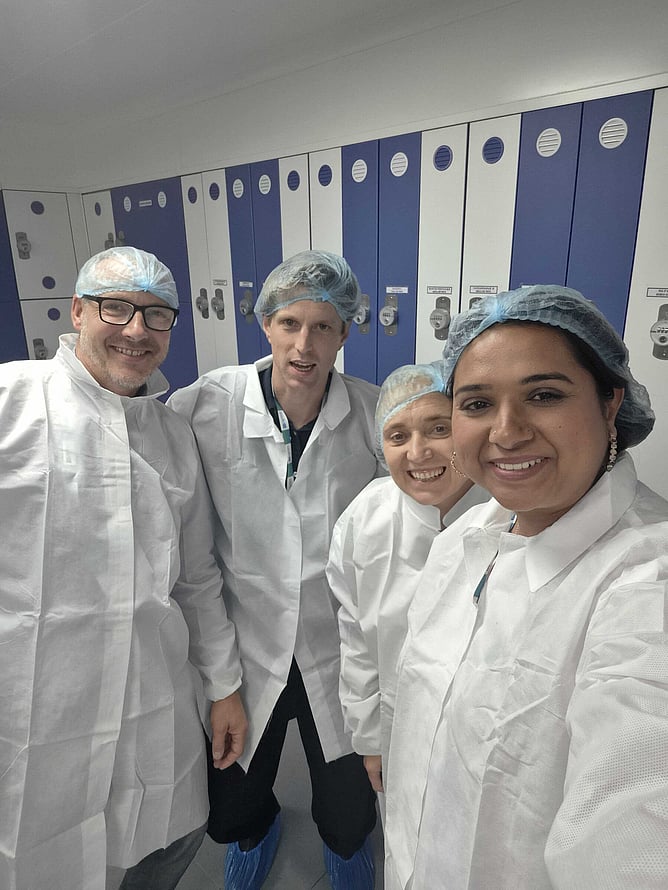
Genome Valley brings together vaccine manufacturers, biotech companies, research institutes, and incubators within a single innovation ecosystem. During the visit, our delegation toured facilities and met with organisations working across areas highly relevant to New Zealand’s agrifood sector.
The visits included Bharat Biotech, Biological E. Limited, Neovantage Innovation Park and NINE HILS - Hyderabad International Lifesciences Square.
The delegation also had discussions with institutions such as the National Institute of Animal Biotechnology (NIAB), which focuses on livestock biotechnology and diagnostics, and visited the International Crops Research Institute for the Semi-Arid Tropics (ICRISAT), a globally recognised research organisation working on agricultural resilience and crop improvement.
These visits highlighted the scale of investment and infrastructure being built around biotechnology in India—and the opportunities this presents for international collaboration.
BioAsia 2026: A Global Conversation
The delegation also participated in BioAsia 2026, where global leaders gathered to discuss the future of biotechnology and the bioeconomy. Two of the delegates, Dr Sandhya Sriram and Dr Emily Parker were also speakers at the biomanufacturing and future of bioeconomy panel discussions.
The convention was inaugurated by Hon’ble Chief Minister of Telangana. The presence of all major pharma, health, and vaccine companies under one roof highlights the scale and ambition of this sector. This year’s theme of Unleashing TechBio resonates strongly with us at Sprout and amongst our portfolio companies in the sector — the future lies at the intersection of biology, technology, and scalable manufacturing.
It was encouraging to hear a strong, consistent message from leaders across pharma, health and biotech:
* India’s capability to deliver cost-effective biomanufacturing at scale
* The global potential for tech transfer partnerships
* And repeatedly — the importance of documentation, structured handover, and strong dialogue between R&D and manufacturing/scale-up teams
Biotechnology is advancing rapidly in laboratories around the world, but turning those discoveries into reliable, cost-competitive production systems remains a major hurdle for the industry.
This challenge was explored in depth during a workshop convened by the World Economic Forum’s Bioeconomy Initiative, which brought together policymakers, investors, researchers, and industry leaders to discuss the future of biomanufacturing.
A central question addressed during the workshop was how biomanufacturing can evolve from a niche commercial tool into a strategic capability across industries. Participants highlighted several key principles that will shape the future of the bioeconomy.
What This Means for New Zealand
New Zealand’s agrifood sector has world-class research capabilities, innovative founders, and deep expertise in agriculture and food production.
However, our domestic market is small.
International partnerships will be critical if New Zealand innovations are to scale globally. The India delegation demonstrated how collaboration between ecosystems can unlock new opportunities for startups and researchers. From animal health and vaccines to synthetic biology and agricultural biotechnology, there are clear areas where New Zealand and India can work together.
For founders in the Sprout community, engaging with global innovation hubs like Hyderabad opens pathways to markets, infrastructure, and partnerships that accelerate growth.
One of the most rewarding aspects of the delegation was seeing conversations emerge between New Zealand innovators and Indian partners. Researchers explored potential collaboration opportunities.
Startups discussed market entry and manufacturing partnerships. Investors compared perspectives on emerging sectors within the bioeconomy.
These connections are exactly what Sprout aims to enable. As an early stage investor and accelerator, our role is not only to support startups locally but also to connect them with the global ecosystems that will help them scale.
Looking Ahead
The global bioeconomy is entering a decisive decade. Advances in synthetic biology, fermentation technologies, and biotechnology are transforming how we produce food, materials, and medicines. But the future of this industry will be shaped not just by science - it will be shaped by collaboration.
The Sprout India Delegation reinforced the importance of connecting innovation ecosystems across borders. For New Zealand’s agrifood innovators, the opportunities emerging in Asia - and particularly in India - are significant.
And this delegation is just the beginning.
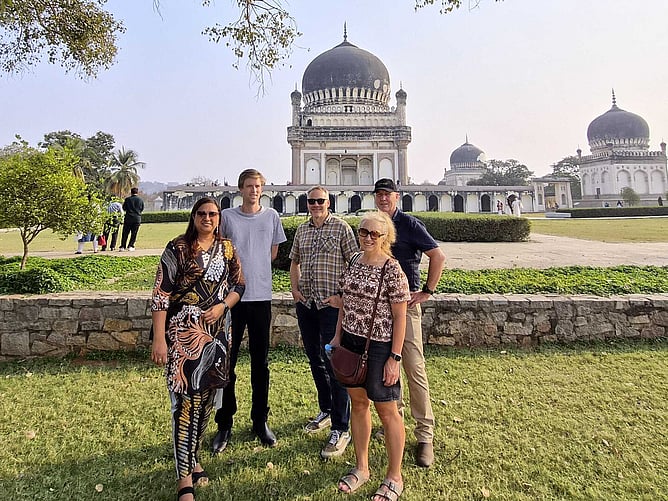
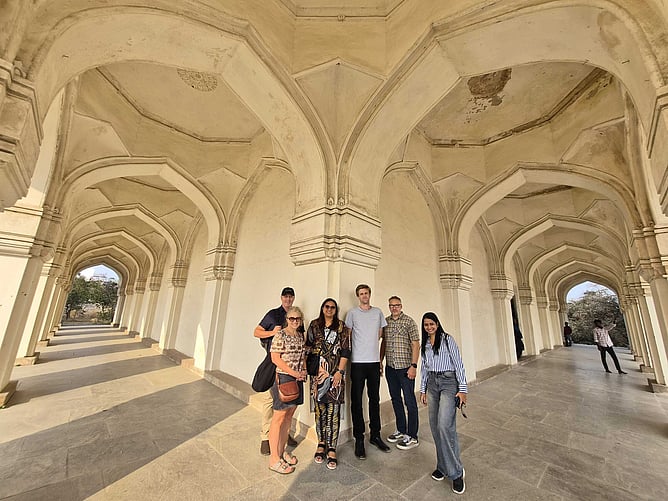
The delegation also involved culturally immersive experiences with visits to monuments and tasting delicious local food. The history at the magnificent Qutb Shahi Tombs and the iconic Golconda Fort - timeless reminders of India’s rich heritage, architectural brilliance, and cultural depth. Walking through these historic landmarks was a powerful experience, connecting us to centuries of innovation, resilience, and vision.Beyond the monuments, it was the energy of the city that stood out — vibrant, dynamic, and proudly rooted in tradition. The perfect note was some truly delicious Hyderabadi biryani, a culinary experience that lives up to its global reputation!