In a world where market intelligence is available at the click of a button, it can be tempting to believe that understanding a new market can happen from behind a screen.
But after five days immersed in Thailand's agrifood ecosystem, one message resonated with every participant in Sprout Agritech's recent international delegation:
You have to see it to believe it.
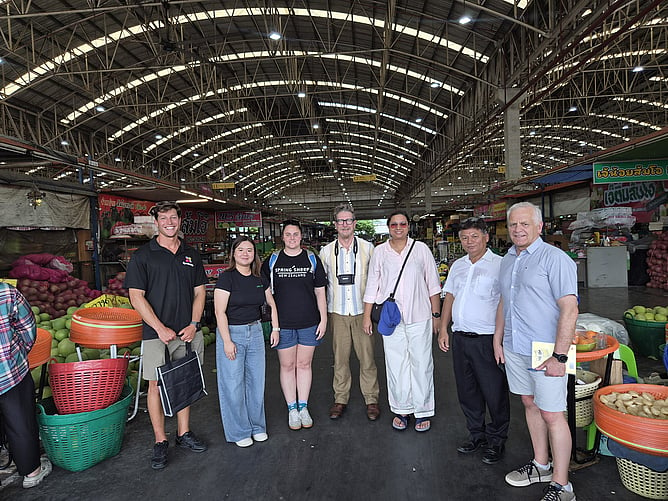
Bringing together founders, researchers, investors, industry leaders, and innovation ecosystem partners from New Zealand and our Sprout Accelerator Alumni ecosystem, the delegation was designed to explore one of Southeast Asia's most dynamic agrifood markets, build meaningful relationships, and uncover opportunities for collaboration and growth.
The delegates were Neal Wallace, Martin Kennedy, Olivia Smith, Evie Tan, Michael Lakeman and Sandhya Sriram, alongside our In-country partner the Asian Institute of Technology, thank you to Dr Ram C. Bhujel and team.
Another big thank you to AGMARDT for supporting this delegation.
What emerged was far more than a series of business meetings. It was a powerful demonstration of how international engagement can accelerate learning, challenge assumptions, and create pathways to opportunities that are difficult to discover from afar.
Why Thailand?
Often referred to as "The Kitchen of the World," Thailand has established itself as a global leader in food production, processing, export, and innovation.
Its agrifood sector combines world-class manufacturing capabilities, strong research institutions, entrepreneurial talent, government support, and significant investment in emerging technologies. From food innovation and biotechnology to aquaculture, animal health, alternative proteins, and sustainable agriculture, Thailand is actively shaping the future of food systems across the region.
For New Zealand innovators, Thailand represents more than a market opportunity. It serves as a gateway to Southeast Asia and offers access to a region experiencing rapid growth, increasing demand for sustainable solutions, and strong appetite for innovation.
Yet what became immediately apparent throughout the delegation was that Thailand should not simply be viewed as a destination for exports. It is a sophisticated innovation ecosystem and a strategic partner in its own right.
Day One: Understanding the Ecosystem
The delegation began by exploring the broader landscape of Thailand's agrifood sector.
Meetings with ecosystem leaders, government representatives, innovation organisations, and industry stakeholders provided valuable context around Thailand's priorities, strengths, and ambitions.
Delegates gained insight into the collaborative nature of the Thai innovation ecosystem, where industry, academia, government, and entrepreneurs work together to accelerate innovation and commercialisation.
For many participants, the first day challenged preconceived notions about the market. Rather than seeing Thailand solely as a customer base, delegates began to recognise the opportunities for partnership, co-development, investment, and knowledge exchange.
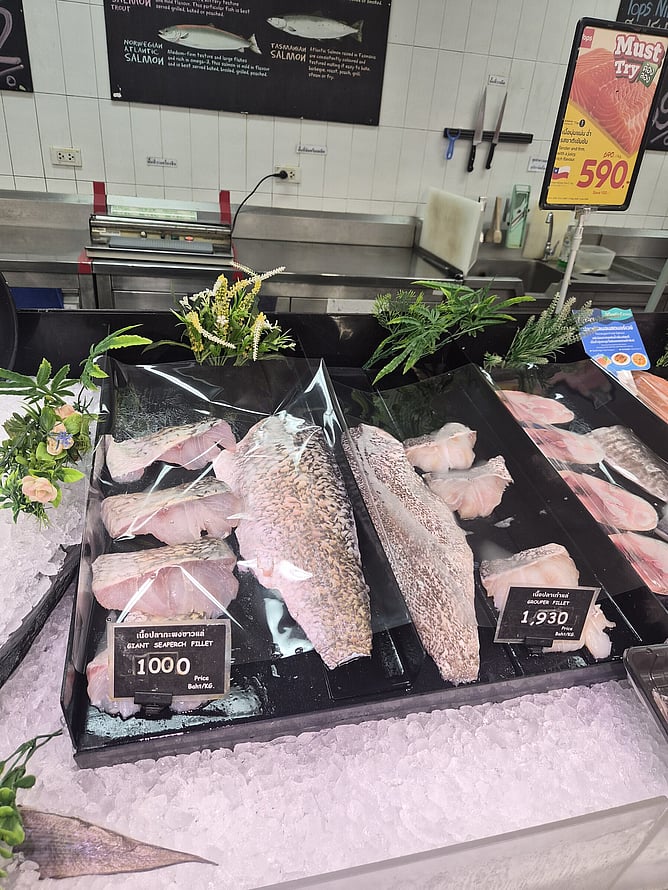
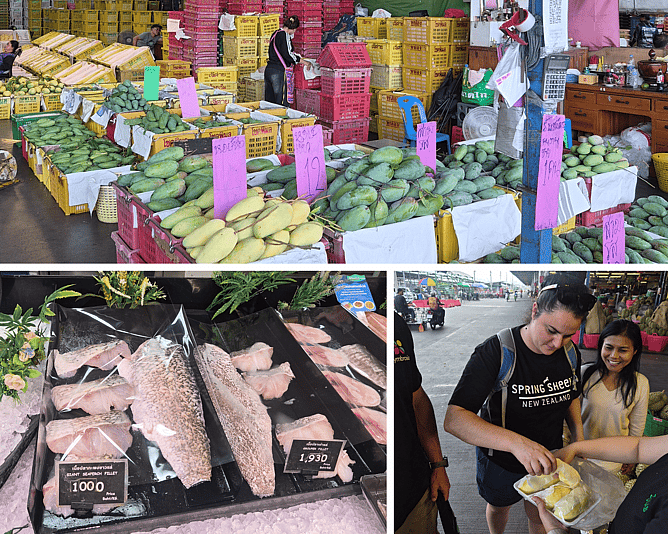
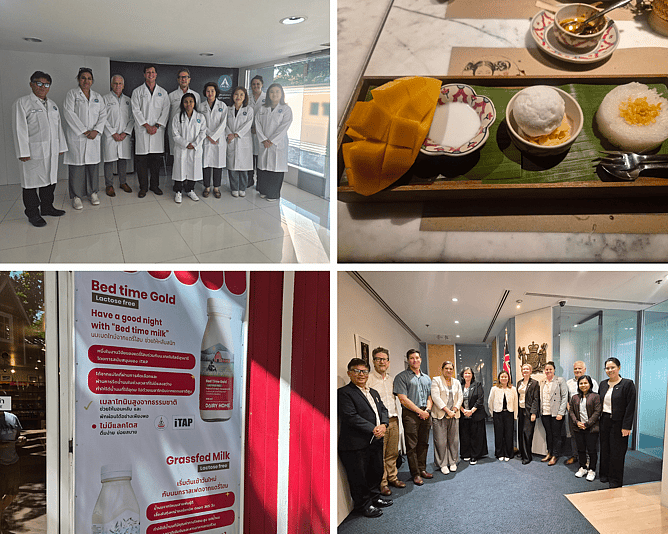
We visited SE Asia’s largest fresh produce market called Talaad Thai and it was huge! We got to see rows and rows of fresh produce including fruits, vegetables, seafood and meat.
Day Two: Discovering a Culture of Collaboration
As the delegation continued its exploration of innovation hubs, startups, and research organisations, a clear theme emerged: collaboration is at the heart of Thailand's success.
The National Science and Technology Development Agency (NSTDA) for hosted us and showed us the amazing infrastructure and capability in R&D in various sectors.
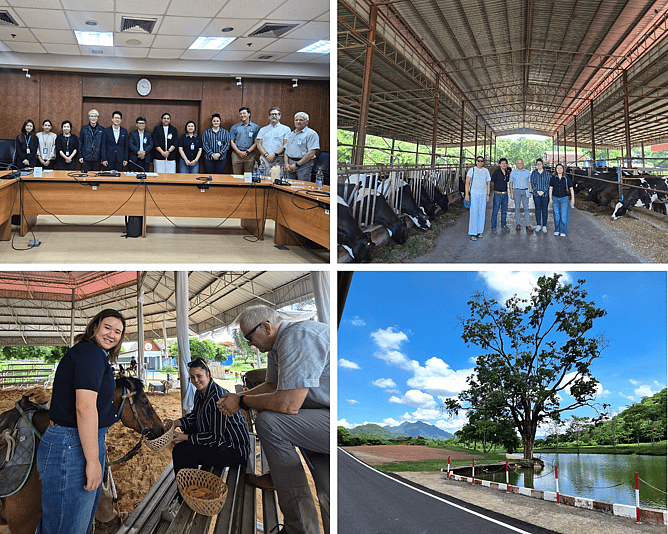
Then, one group of Kiwis headed to Chonburi/Pattaya (South of Bangkok) for the aquaculture tour and the other group headed to Saraburi (North of Bangkok) for the dairy tour.
It has been really amazing to see how beautifully aquaculture and dairy farming is done in Thailand and the range of products, and the way circular economy being implemented.
Day Three: Seeing Innovation in Action
By the third day, delegates were seeing firsthand how innovation is translated into commercial outcomes.
A visit to Dairy Home and other stores was organised to checkout some innovative products on the shelves - like corn milk and milk tablets (to encourage calcium intake in Thailand).
The other group visited various aquaculture farms (land-based) and the vast operations were very interesting.
The delegation was then hosted at the New Zealand Embassy and a very thought provoking discussion was had with with Ambassador Designate Raylene Liufalani and her team (Lily D. and Chatjen (Jane) Tantakhom).
ALS had organised a tour around their food and environment testing facilities - very impressive.
THAIFEX: A Global Showcase of Food Innovation
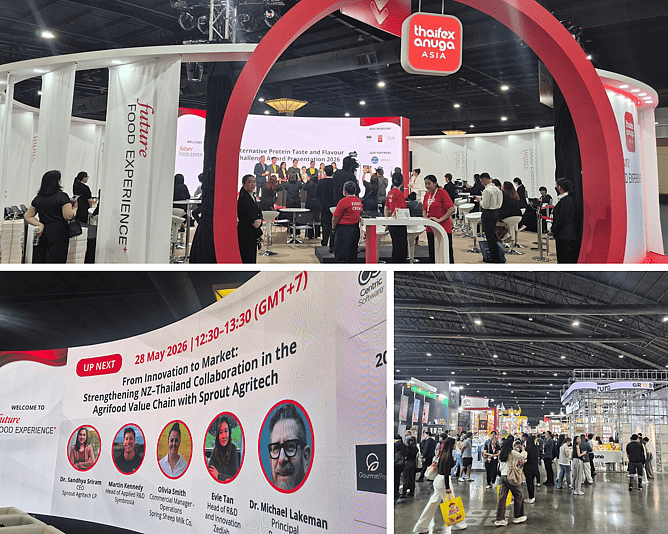
One of the highlights of the delegation was attendance at THAIFEX – Anuga Asia, one of the largest and most influential food and beverage exhibitions in the region.
The scale was extraordinary.
Thousands of exhibitors, buyers, investors, researchers, and food companies from around the world gathered to showcase emerging trends, products, and technologies.
Delegates explored innovations ranging from alternative proteins and functional foods to advanced ingredients, sustainable packaging, novel processing technologies, and consumer food trends.
For many participants, THAIFEX provided a glimpse into the future of global food systems while also revealing the immense opportunities available throughout Southeast Asia.
The event highlighted the pace of innovation occurring across the region and reinforced the importance of understanding local market dynamics, consumer preferences, and commercial pathways.
Perhaps most importantly, THAIFEX created opportunities for meaningful conversations and introductions that may ultimately lead to future collaborations and commercial partnerships.
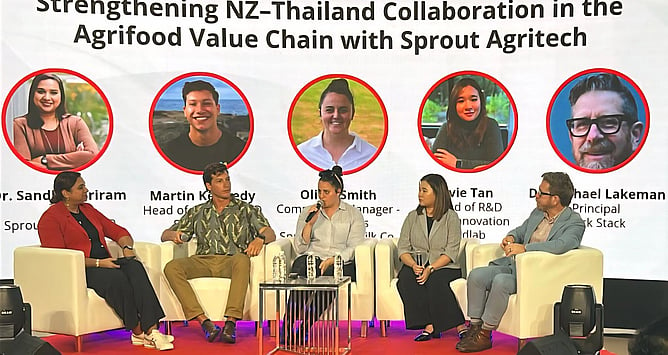
The delegates were part of a panel discussion titled “From Innovation to Market: Strengthening NZ-Thailand Collaboration in the Agrifood Value Chain”.
Thailand: More Than a Market
One of the most significant outcomes of the delegation was a shift in perspective. Thailand is known as the “Kitchen of the World” and it is 100% correct.
Participants arrived looking for opportunities.
They left seeing a strategic partner.
Throughout the week, delegates discovered areas where New Zealand's expertise aligns strongly with regional priorities. Discussions spanned animal health, aquaculture, food technology, sustainable production systems, ingredient innovation, seaweed, and future food opportunities.
For organisations operating in sectors such as aquaculture and marine innovation, the visit was particularly valuable. Asia remains the centre of global aquaculture production, and engaging directly with businesses, researchers, and innovators working within these systems provided insights that would have been impossible to gain remotely.
Delegates also reflected on the relatively low visibility of New Zealand innovation within parts of the region. While New Zealand's reputation for quality remains strong, there is significant opportunity to strengthen relationships, increase awareness, and build deeper commercial engagement.
The delegation reinforced the idea that future success will come not only from selling into international markets but from collaborating with them.
The Power of Being Present
A recurring theme throughout the week was the value of physical presence.
Many delegates spoke about opportunities that emerged unexpectedly through conversations, introductions, site visits, and informal interactions.
These moments cannot be replicated through virtual meetings or market reports.
Seeing operations firsthand creates context.
Meeting people face-to-face builds trust.
Experiencing a market directly reveals nuances, challenges, and opportunities that often remain hidden from a distance.
Several participants noted that some of their most valuable insights came from conversations they never planned to have.
This is the unique power of well-designed international delegations: they create environments where unexpected opportunities can emerge.
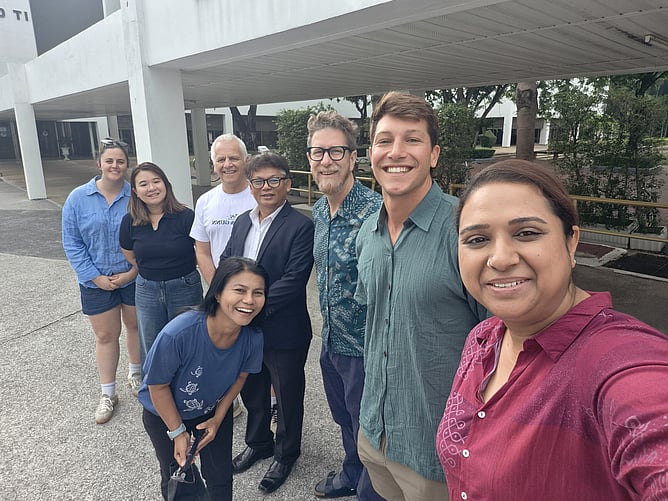
Relationships First, Business Second
International business is often measured through deals, customers, and transactions.
Yet one of the strongest lessons from Thailand was that sustainable commercial success begins with relationships.
The most promising opportunities frequently emerged not from formal presentations but from shared experiences, introductions through trusted networks, and conversations that continued beyond scheduled meetings.
Trust remains a critical currency in international markets.
Building that trust takes time, curiosity, and commitment.
Delegations accelerate this process by bringing together people who may otherwise never have crossed paths.
By connecting New Zealand innovators with industry leaders, researchers, investors, corporates, and government stakeholders, we create the foundation upon which future collaborations can be built.
More Than a Delegation
This was not simply a trade mission.
It was an opportunity to learn, challenge assumptions, strengthen networks, and develop a deeper understanding of one of the world's most exciting agrifood ecosystems.
It demonstrated the value of bringing together diverse perspectives from across the innovation ecosystem. Founders, researchers, investors, corporates, and industry leaders each contributed unique insights that enriched the experience for everyone involved.
The result was a collective learning journey that generated new ideas, strengthened international connections, and opened doors to future opportunities.
Looking Ahead
The future of food and agriculture will be built through collaboration across borders.
No single country, organisation, or technology can solve the challenges facing our food systems alone.
Thailand showed what is possible when innovation ecosystems come together around shared ambitions for productivity, sustainability, resilience, and growth.
At Sprout, our mission is to help innovators connect with the people, markets, and opportunities that enable them to create meaningful impact.
This delegation reinforced why international engagement remains such an important part of that mission.
The conversations sparked, relationships formed, and opportunities uncovered during this journey will continue well beyond the return flight home.
And if there was one lesson that every participant carried back to New Zealand, it was this:
Some opportunities can only be understood by experiencing them firsthand.
You really do have to see it to believe it.
Hear from the Delegates about their experience in Thailand.
Read more from Farmers Weekly journalist Neal Wallace:
A big thank you to Neal Wallace, Farmers Weekly NZ, for the amazing coverage and articles on our Thailand delegation.
1. Innovation and local markets power Thailand’s agricultural success
2. Protein builds growth in Thai market potential
3. AI in charge of shopping lists
4. Wellbeing driving food product trends
5. Seaweed may one day rival horticulture crops, sector predicts
6. Kiwi exporters shrug off Southeast Asia’s biggest food fair